
Prosecco = Italian sparkling wine? Not quite.
In Hungary many people know prosecco as "Italian sparkling wine" – which is partly understandable and partly inaccurate. Prosecco Spumante does meet the legal definition of sparkling wine: its carbon dioxide comes only from fermentation, and the bottle holds at least 3 bar of overpressure.1
But prosecco isn't only spumante. There are also frizzante (semi-sparkling) and tranquillo (still) versions – and by definition these are not sparkling wines. So anyone who says "prosecco is Italian sparkling wine" is only seeing one slice of the picture.2
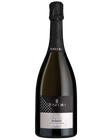
Prosecco isn't one specific type of drink but an Italian product with a protected designation of origin (PDO) in the European Union. Within the protected category there are four forms: Prosecco Spumante, Prosecco Spumante Rosé, Prosecco Frizzante and Prosecco Tranquillo.
What does PDO mean – and why does it matter?
PDO (Protected Designation of Origin) means the name "prosecco" can only be used for wine made in a defined area under defined rules. Making wine from Glera isn't enough – if the grapes aren't grown and bottled in the designated area, it can't be called prosecco.3
These rules protect both the consumer and the quality – and that's exactly what sets prosecco apart from its namesakes.
What goes into the bottle? What prosecco is made of
Sparkling prosecco is a sparkling white wine made from at least 85% Glera. The remaining 15% at most can come from these varieties4:
- Local varieties: Verdiso, Bianchetta Trevigiana, Perera, Glera Lunga
- International varieties: Chardonnay, Pinot Bianco, Pinot Grigio, Pinot Noir – vinified as white wine
- Growing area: harvested and bottled only in the provinces covered by the appellation5
- Minimum alcohol: 11%
- Secondary fermentation: at least 30 days in an autoclave
How is Prosecco Rosé different?
The basic rules don't differ much, but rosé prosecco has a few specific requirements:
| 85% Glera | 15% Pinot Noir | 60 days in autoclave |
The Pinot Noir has to be vinified as a red wine – that's what gives rosé its typical colour and character. The double ageing time (60 days instead of the spumante's 30) gives finer, better-integrated bubbles.
Why do these rules matter?
It can look complicated at first – but together, the PDO system and the production rules make sure that what you buy as prosecco really is prosecco. Not a namesake, not an imitation, not a cheap substitute.
1 Hungarian Act CXXI of 1997 on wine – jogkodex.hu
2 Ádám Marton: Sparkling, semi-sparkling or still? – The three faces of prosecco. Prosecco Journey, 2026.05.05 – Link
3 Product specification – Prosecco PDO. UK Government, 2024 – Link
4 Consorzio di Tutela della DOC Prosecco: A Prosecco to regulate. – prosecco.wine
5 Alicia Peacock: The Prosecco Handbook. Tuscany Now and More – Link
6 Consorzio di Tutela della DOC Prosecco: From the harvest to the bottle. – prosecco.wine