
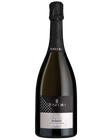
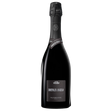
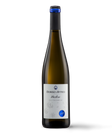
In short: Cartizze is prosecco's smallest and most prestigious vineyard, 107 hectares just outside Valdobbiadene. On the label it appears as Valdobbiadene Superiore di Cartizze DOCG, and it is the top of the Conegliano Valdobbiadene DOCG. It costs more because there is so little of it, the steep slopes can only be worked by hand, and the land is the most expensive in the whole region.
Where is Cartizze?
Next to Valdobbiadene, between the villages of San Pietro di Barbozza, Santo Stefano and Saccol. It's a row of steep, south-facing hillsides with clay-limestone soil of marine origin, where air flows down from the Alps and keeps the valley ventilated. The grapes ripen more slowly and evenly here, and gather more sugar and aroma than in the surrounding vineyards.
The 107 hectares are split among many families, and many of them own only a few rows. So a winery rarely bottles more than a few thousand bottles of Cartizze a year.
How does it taste different?
Riper and rounder than an average DOCG prosecco. Peach, pear, apricot, acacia blossom, often a touch of almond at the end. The acidity stays, so it never feels heavy.
Cartizze is traditionally made in the Dry style, with 17–32 g/l of residual sugar. That may sound like a lot, but the ripe fruit and the site's natural acidity balance it: not sweet, just soft. Today there are drier Brut and Extra Brut Cartizze too, which are crisper and more mineral.
Why does Cartizze cost more?
- There's very little of it. Conegliano Valdobbiadene DOCG covers about 8,500 hectares, and only 107 of them are Cartizze.
- Lower yields. At most 12 tonnes of grapes per hectare, compared with 13 in the Rive vineyards and 13.5 for standard DOCG.
- Hand work only. The slopes are too steep for machines. Everything from pruning to harvest is done by hand.
- The price of the land. Cartizze is among the most expensive vineyard land in Italy, and it almost never comes up for sale.
In our shop a bottle of Cartizze costs roughly twice as much as the same winery's DOCG Brut. That's the difference you pay for rarity and hand work.
Cartizze at a glance
- Official name: Valdobbiadene Superiore di Cartizze DOCG
- Area: 107 hectares, Valdobbiadene
- Grape: at least 85% Glera, 100% in our wines
- Classic style: Dry (17–32 g/l)
- Serving: 6–8 °C
Which Cartizze should you choose?
If you want the classic: PDC Cartizze Dry or Terra di Guia Cartizze Dry. With fruit tart, panettone, dry biscuits, or simply as a festive aperitif.
If you like it drier: PDC Cartizze Brut is a good middle ground, also for the start of a dinner.
If you want the crispest: PDC Cartizze Extra Brut BIO is made with only 2 g/l of sugar. Pietro De Conti farms organically, harvests from century-old vines and ages the wine for five months. Mineral and long, it also works with fish and seafood.
Frequently asked questions
Is Cartizze DOCG too?
Yes. It is the highest level within Conegliano Valdobbiadene Prosecco Superiore DOCG, with its own name.
What's the difference between Rive and Cartizze?
There are 43 Rive, each marking the steep vineyards of a particular village. There is only one Cartizze: a single 107-hectare area next to Valdobbiadene, considered prosecco's grand cru.
Is Cartizze sweet?
Classic Dry Cartizze is soft and fruity, but thanks to the acidity it doesn't taste sweet. If you want something drier, choose a Brut or Extra Brut Cartizze.
What temperature should I serve it at?
6–8 °C, in a tulip-shaped white wine glass so the aromas can open up.