


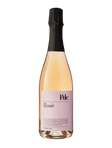
In short: the best of the best. In the world of prosecco, DOCG is the top tier – rarer, bound by stricter rules, and it stands for genuinely special wines.
DOCG Prosecco – what does it actually mean?
When we first started choosing prosecco, we'll admit we got a bit lost among all the labels and abbreviations. We knew DOC stood for quality, but now and then a rarer mark caught our eye: DOCG. That was the real thing – the cream of prosecco.
A few years ago you could barely find any in Hungary, so the first time we went to Italy our jaws dropped. The shops were full of DOCG prosecco.
So what exactly is DOCG?
DOCG stands for Denominazione di Origine Controllata e Garantita – controlled and guaranteed designation of origin.
It is the highest quality category an Italian wine or prosecco can reach.
In 2025 only 78 wine areas in the whole of Italy are allowed to carry it. Two of them matter most for prosecco:
- Asolo DOCG (since June 2009),
- Conegliano Valdobbiadene DOCG (awarded in August 2009 – it covers 15 municipalities).
The DOCG system started in 1980, and the first wines to receive it were the legendary Brunello di Montalcino and Vino Nobile di Montepulciano – some of the biggest names in Italian wine.
What makes DOCG prosecco special?
DOCG isn't just a label. It's a promise.
Producers have to follow strict rules, from where the grapes come from to how they are pressed and bottled. Every bottle carries a unique, numbered seal from the Italian authorities – the guarantee that it is the real thing.
Conegliano Valdobbiadene Prosecco Superiore DOCG (yes, that's the full name) is made from at least 85% Glera, with the rest allowed to come from varieties such as Bianchetta Trevigiana, Chardonnay, Perera, Pinot Bianco, Pinot Grigio, Pinot Nero or Verdiso.
Why is this region so special?
The answer lies in nature. Limestone-clay soils, steep sunny slopes and an altitude of around 500 metres create a microclimate that is ideal for Glera. The result is prosecco that is fresh and aromatic, yet elegant – in true Italian style.