
Yes, Extra Dry is sweeter than Brut. Extra Dry has 12–17 grams of residual sugar per litre, Brut less than 12 grams, and Extra Brut 0–6 grams. So the name is misleading: on a Prosecco label, “dry” doesn't mean dry, it names a sweetness category.
What do Brut Nature, Extra Brut, Brut, Extra Dry and Dry mean?
The limits are set by EU regulation and are the same for every sparkling wine. The number is the sugar left in the bottle, per litre.
| Category | Residual sugar (g/l) | Taste |
|---|---|---|
| Brut Nature | under 3, no added sugar | bone dry |
| Extra Brut | 0–6 | very dry, taut |
| Brut | under 12 | dry, fresh |
| Extra Dry | 12–17 | fruity, round, slightly sweet |
| Dry | 17–32 | sweet, soft |
| Demi-sec | 32–50 | clearly sweet |
The ranges overlap: a wine with 4 g/l can be labelled Extra Brut or Brut, and the winery decides which.
Why is “dry” the sweeter one?
The name describes a category, not the taste. In practice, remember this: if the label says “Dry”, you'll get a sweeter wine, not a drier one.
What do DOC and DOCG allow?
Not every category can be made from every Prosecco:
- Prosecco DOC (spumante): everything from Brut Nature to Demi-sec.
- Prosecco DOC Rosé: only from Brut Nature to Extra Dry; no Dry or Demi-sec.
- Conegliano Valdobbiadene Prosecco Superiore DOCG (spumante): Extra Brut to Demi-sec. Brut Nature is allowed only for Sui Lieviti: the traditional “col fondo”, fermented in the bottle, slightly cloudy, with bread-crust notes.
We explain the difference between DOC and DOCG in this article.
Which style goes with what?
- Brut Nature: raw fish, shellfish, delicate seafood.
- Extra Brut: crudités, seafood, mushroom pasta and risotto.
- Brut: fish dishes, vegetable starters, baked fish. This is the style that can carry a whole dinner.
- Extra Dry: aperitif, bean and fish soups, pasta with a light meat ragù, creamy cheeses, white meats.
- Dry: dry pastries, and surprisingly good with spicy fusion food.
For autumn ideas, see this article.
How do you taste them side by side?
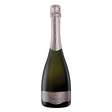
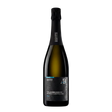
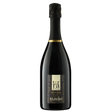
The easiest way to understand the difference is to open three Proseccos from the same winery at once. Acerle's three Proseccos come from the same hills between Santo Stefano and Campea di Miane, made by Claudio Bisol, so almost the only thing that changes is the sugar:
- Acerle Extra Brut – 0 g/l. Dry, salty, mineral; peach and acacia blossom.
- Acerle Brut – 7.5 g/l. Lively acidity, apple, pear, wild flowers.
- Acerle Extra Dry – 14.5 g/l. Soft, round, yellow fruit.
Go from driest to sweetest, all three at 6–8 °C. Notice how the sip changes: the Extra Brut is taut and salty, while the Extra Dry, from the same grapes, is almost creamy.
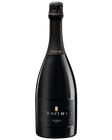
To try the other end of the scale: Bortolin Angelo Desiderio is a Dry, 20 g/l, from the village of Guia. Soft and round with creamy bubbles, made for dessert. What “Rive di Guia” on its label means, we explain here.
Prosecco sweetness in short (residual sugar, g/l)
- Brut Nature: under 3
- Extra Brut: 0–6
- Brut: under 12
- Extra Dry: 12–17
- Dry: 17–32
- According to the Conegliano Valdobbiadene consortium, half of DOCG sales today are Brut and Extra Brut.
FAQ
Which is the driest Prosecco?
Brut Nature, with under 3 g/l sugar and none added. In Conegliano Valdobbiadene DOCG it can only be the bottle-fermented Sui Lieviti. Among the usual tank-fermented DOCG wines, Extra Brut is the driest.
What is the difference between Brut Nature and Extra Brut?
Brut Nature has no added sugar at all and stays under 3 g/l. Extra Brut can have up to 6 g/l.
Is Extra Dry Prosecco sweet?
Slightly. At 12–17 g/l it is sweeter than Brut but much drier than Dry. It tastes fruity and round rather than sweet.
Is Extra Dry sweeter than Brut?
Yes. Brut is under 12 g/l, Extra Dry between 12 and 17 g/l.
Taste your way along the scale: the Acerle Proseccos are 10% off until 8 November as an introductory offer, with no minimum.